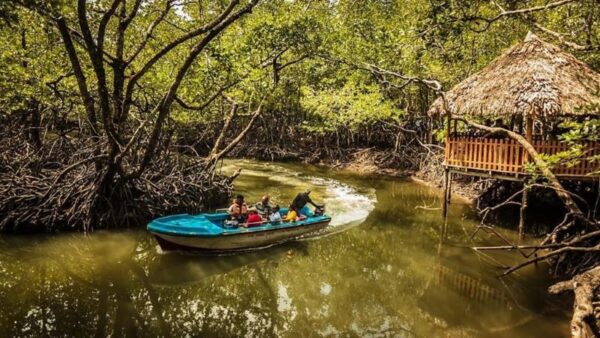
Baratang is well known for its breathtaking limestone caves and lush mangrove creeks, among other natural wonders. There are tidal swamp woods and mud volcanoes, both of which are interesting yet unimportant. Between the Middle and South Andaman Islands, it is the first entrance leading north from the major metropolis. Due to its proximity to Port Blair (about 100 miles), it is a well-liked one-day vacation location, especially for those with limited time.
The middle of the Andaman Sea’s tiny island of Baratang is referred to as the “Gateway to the Middle Andaman.” The island is surrounded by mangroves and covered in rain forests. It is located between the southern and central areas of the Andaman Islands, 100 miles from Port Blair, the major city.
Baratang exudes grandeur and authenticity with its vast, unexplored landscapes, intriguing past, and imaginative reproduction of the Andaman and Nicobar Islands. The government has designated the dense forests that surround Baratang Island as a protected area. With the exception of a few attractions, most of Baratang Island is off-limits to visitors. The brave’s tenacity will be put to the test during the voyage to Baratang, a less well-known region. Visits to Bratang are only recommended for persons with severe adrenaline addictions. There is no way to avoid the temptations. The trip to the island entails taking a dingue across a substantial mangrove swamp, riding in a police-protected convoy through the reserve forest, having your car carried on a vehicle ferry, then hiking through the jungle to reach the limestone caverns.
Renting a private car or taking an AC bus is the best and most convenient method to go to Baratang. The best way to get to Baratang for the least amount of money is to leave from Port Blair on a government bus. Two-wheelers are prohibited from travelling the full route to Baratang. The “Andaman Trunk Road” (ATR) requires convoy driving across a single, quick vehicle-ferry link between the islands. The four-hour journey might be enjoyable despite the turbulence because to the lovely woodlands and azure streams.
The large mangrove-covered rivers and the limestone cave formations at Nayadera are Baratang’s main draws for tourists. The island is famous for its limestones, which result in distinctive strata and structures above or below the surface. You can simply rent a boat to get to the well-known caverns at the Nilambur jetty. Passing through mangrove-lined canals and admiring the gorgeous coastline covered in mangrove forests add to the voyage’s fascination.
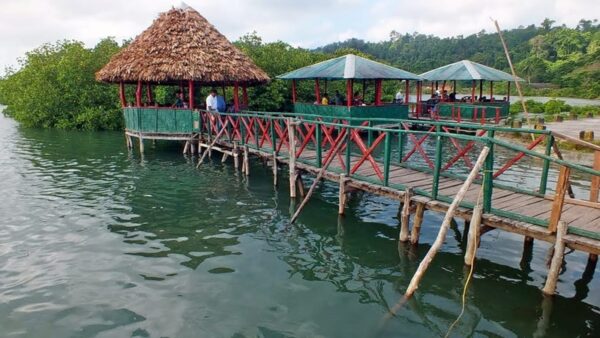
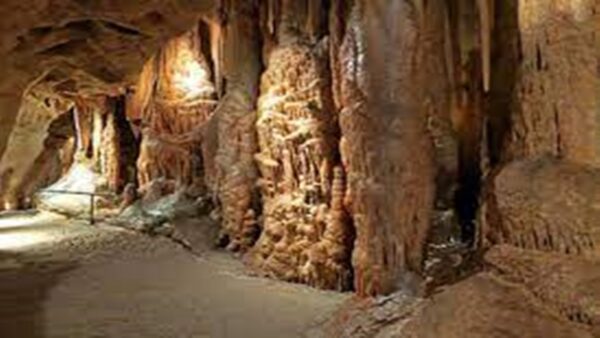
From the wooden pier at Nayadera, you must descend for about 1.2 kilometres to view its natural splendour. On the cave walls, enormous structures hang from the ceiling like pendants. Water drips continuously from the ceiling as it glimmers and glows on the stalactites and stalagmites. The sad truth is that by leaving trash behind and graffiti on the prehistoric structures, visitors to the caverns are degrading these natural treasures.
The distance from the Baratang Jetty to the limestone caverns is approximately 12 km by boat and 2 km on foot. Once you arrive in Baratang Island, you must make a reservation for a ticket and board a fibre motorboat. You may have to wait in line, there might be a line. Typically, this boat can accommodate 6–8 people, depending on its size.
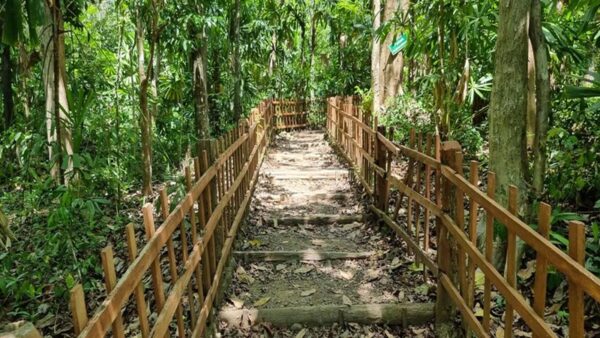
The journey should last around 25 minutes overall, and the scenery is breathtaking. Mangroves line both sides of the expansive and little passageways you travel through. If the river is too narrow, you might have to crouch to avoid getting scratched by the trees. The entire ride is exhilarating. The boat will later be moored close to a wooden bridge. The limestone caverns are reached after a 2-kilometer forest trek that begins at this bridge. Most of the time, the boatman also acts as your tour guide, and you’ll ride the same boat back.
After a brief ride from the Nilambur jetty and a 160-meter climb up a difficult track, visitors can reach the mud volcanoes. These tiny muddy craters are the result of natural gases that are produced by organic matter decaying beneath the surface pushing mud upward. Please be aware that this isn’t a very pretty picture because most of the time all you can see is a pile of dried mud or a few bubbling mud puddles. You might want to visit Andaman, though, as it’s one of the few places in the globe where these volcanoes can be located. Eight of the eleven mud volcanoes in the Andaman group of islands are located in Baratang and Middle Andaman.
About 7 kilometres from the jetty, the Mud Volcano at Baratang is reachable by car. From the entrance, proceed 160 metres up a rocky hill. You cannot find transportation there, thus you must hire a taxi for a two-way trip at the jetty. The short detour to the Baludera Beach is from the Mud Volcano route. You can attend both events if you have the time.
The Andaman and Nicobar Islands have a lot of unexpected places, which is a welcome surprise for many. These less well-known places are usually missed by tourists, especially those looking for a distinctive experience. One such island is located 30 kilometres from Baratang, a well-known mangrove area famous for its limestone caverns and mud volcanoes. Within a short boat ride from the Baratang jetty, you may see this isolated island home to a variety of parrot species. Due to the various species of parrots that can be found there, Parrot Island is a special place in the middle of the ocean.
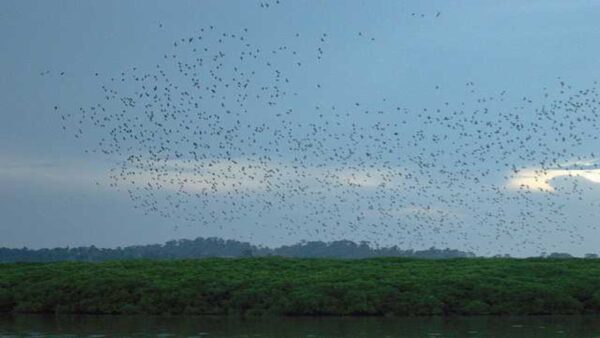
This island, which is formed like a table, is calmly submerged in the calm sea. The scene is very ethereal whether you’re a seasoned lover or a bird watcher. It’s a densely packed mangrove forest that, from a distance, looks like a well-kept landmass. As night sets, the golden hour sunset bursts in and paints the area around it. On the island, more than 30 different parrot species have been recognised, while a few more are still unknown. The Parrot Island birds possess a unique talent that allows them to break the mangrove’s branches, giving it the tidy garden appearance you can see from your moored boat.
The Andaman Islands’ sole location where you can park your boat and see so many distinct parrot species at once is Parrot Island. This is in Middle Man, in the middle of the sea, where parrots come at dusk and go in the morning, leaving a trimmed continent of mangrove trees in their wake. There are a few things to keep in mind when visiting this location because this happens at dusk and the majority of island travel is done during the day. The Parrot Island Tour is something you shouldn’t miss if you enjoy trying new things and are interested in the environment and animals.
The ideal time to visit Parrot Island is during the colder winter months of November through February. However, you will be able to watch them all year long. Visit an unique bird island on a sunset sail. Few tourists go to Parrot Island when they come to Baratang to see the mud volcano and limestone caverns. Since most people have never heard of it and don’t have enough time to travel, only one person out of every hundred visits the place.
Similar to the Limestone Caves, Parrot Island is only a few kilometres from the Baratang Jetty and must be reached by fibre boat. The last boat to the island departs around 4 p.m., which is a great time to witness the parrots flock at dusk. This is an eight-person boat excursion that takes place at night and costs 5000 per boat. The sun sets around 4 o’clock, and around 7 o’clock the boat returns you to Baratang. The trip takes two to three hours.

Subscribe newsletter $ get company news.

Andaman Travel Expert is a travel agency specializing in organizing trips to the Andaman and Nicobar Islands. They offer personalized itineraries, quality accommodations, and activities to make your trip unforgettable.
- © 2023 Andaman Travel Experts All Rights Reserved.